You can always tell when a landscape has a story behind it. The bare spots where grass never quite takes. The slope that turns into a mini river every time it rains. The once-lovely garden makeover that now looks tired and overgrown.
Most properties I visit are not blank canvases. They are patchworks of old decisions, quick fixes, and half-finished outdoor renovations. The good news is that patchy, frustrating yards are usually just poorly coordinated systems. Once you understand how water, soil, stone, plants, and people move through a site, you can restore it into something cohesive and beautiful.
This is where thoughtful landscape planning beats impulse planting every time.
Below is a practical, experience-based walk through what actually works when you want to move from patchy to polished, whether you are tweaking a small front yard design or reimagining estate landscaping with resort style landscaping touches.
Start by Reading the Site, Not the Catalog
When I first visit a property, I leave the plant lists and product brochures in the truck. The most valuable things you can do at the beginning cost nothing: walk, watch, and ask questions.
I look for where people naturally walk, even if there is no formal pathway. You might see a faint trail in the lawn cutting a corner toward the gate, or a worn patch near the driveway where kids hop out of cars. These paths tell you where stone pathways or a more formal entry walk should go. Fighting natural movement is a losing battle. Designing with it makes the landscape feel easy and intuitive.
I watch how water moves. If I visit during or after a storm, even better. I note where downspouts discharge, where puddles linger, where soil has washed out from under old stone patios or crumbling steps. This early understanding guides site grading and drainage solutions, which are the backbone https://ridgelineoutdoorliving.com/ of any durable landscape restoration.
Then there is sunlight. I take note of the front yard and backyard at different times of day if possible. That west-facing front yard landscaping that bakes in summer might be a perfect candidate for drought tolerant planting and decorative rock landscaping, not a lush lawn that will always struggle.
Finally, I talk to the homeowners about their habits. Do they use the backyard in the evening or morning? Do they entertain big groups or prefer quiet coffee outside? How much time do they realistically want to spend on maintenance? Honest answers here shape whether we lean more toward custom outdoor spaces with outdoor structures and stone patios or toward simpler landscape beautification with low-maintenance planting.
Good landscape planning always starts with listening to the site and the people who live on it.
Diagnose Why the Landscape Turned Patchy
Before jumping into landscape upgrades, you need to understand what went wrong. Most problem yards fall into a few recurring situations.
One common scenario is poorly managed water. I often see backyard landscaping where the patio is level with the lawn, soil is mounded against the foundation, and downspouts dump water straight into planting beds. The result is predictable: soggy turf, weak roots, and mulch that floats away every heavy rain. Without better site grading and targeted drainage solutions, any new landscape improvements will fail in the same way.
Another frequent culprit is piecemeal outdoor renovation. Someone adds a small deck. Years later, another owner tacks on a hot tub. A few stone retaining walls go in to deal with a slope. None of it is tied together by a master plan. The result feels visually busy and physically awkward. Stairs start and stop in strange places, and the grade changes are confusing. When we step back and create a unified outdoor space design, the same elements can be reconfigured into a coherent backyard design.
Plant selection and spacing also play a big role. I see garden construction where shrubs were planted too close together, leading to constant pruning battles, or trees placed too near the house, causing root and shade issues. Over time, homeowners remove offending plants, which leaves random gaps and a patchy look. A strategic garden makeover often involves removing a surprising number of plants so the ones that remain can thrive.
There are also projects where the original budget never stretched to finish the vision, so mulch beds were expanded as a placeholder, or cheap edging was installed with plans to "upgrade later." Years pass, plastic edging pops up, and the space never feels finished. A solid landscape remodeling effort revisits those compromises and upgrades key elements like stone pathways, custom hardscaping, and outdoor seating areas to durable, well integrated solutions.
I often walk clients through a quick mental checklist to clarify what we are really solving.
- Where do you see standing water or erosion after a normal storm? What areas of the yard do you use and enjoy now, even if they are not pretty? Which parts are you constantly fighting: mowing, weeding, replanting, or cleaning? Are you more frustrated by looks, by function, or by long term maintenance? What is one outdoor activity you wish your property supported better?
Answers to these questions guide whether we start with infrastructure like grading, drainage, and hardscape, or focus first on front yard design and curb appeal landscaping, or carve out that dream outdoor seating area you have wanted for years.
Fix Water and Grade First or Keep Fighting Forever
Every successful landscape restoration I have seen rests on one unglamorous truth: water wins. If you do not manage it deliberately, it will manage your landscape for you.
Site grading is not just about sloping soil away from the foundation. It is about shaping subtle contours so water has somewhere safe and intentional to go. Sometimes this is a shallow swale that guides runoff toward a rain garden. Other times it is a buried pipe that carries roof water away from sensitive areas and releases it in a gravel bed or lower, less critical part of the yard.
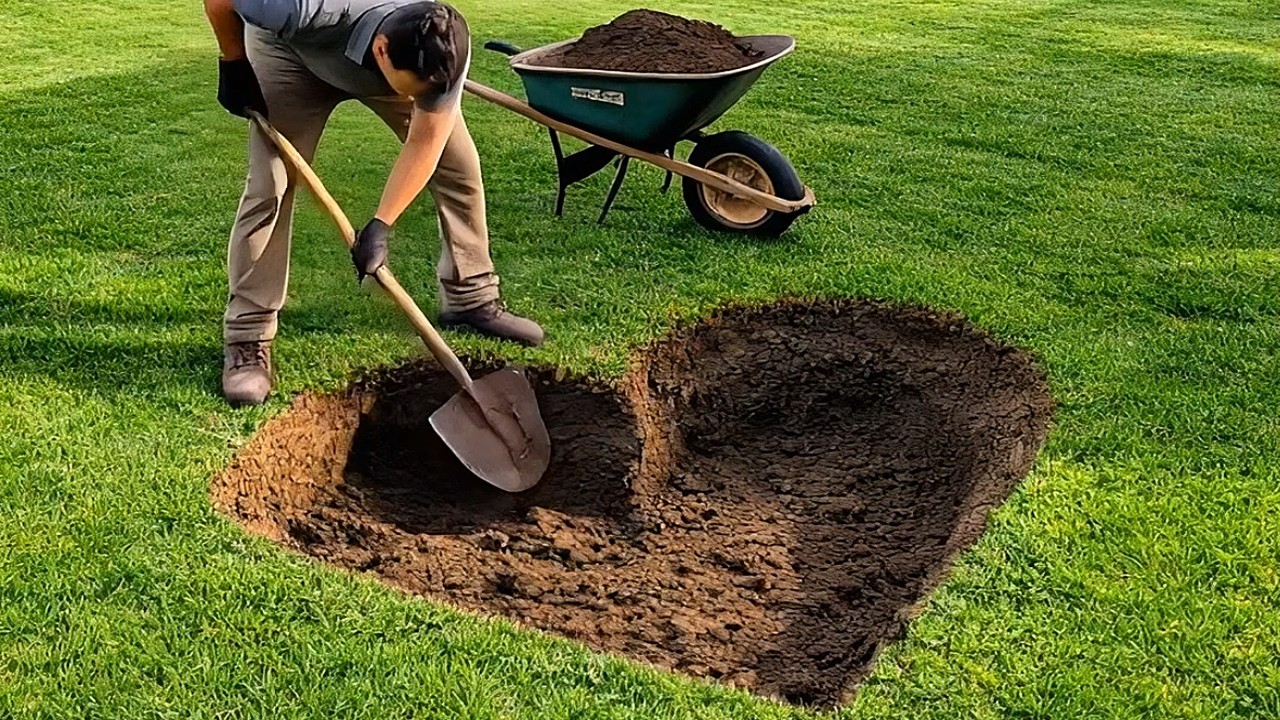
I once worked on a property where the owners had invested heavily in premium landscaping services over the years. They had a beautiful stone patio, a series of raised beds, and even a small water feature. Yet after every storm, the same corner of the yard flooded and turned into a muddy mess. They had tried reseeding, adding sod, replanting perennials, nothing held. When we finally mapped the grade, we discovered the whole yard gently funneled water into that one low spot, and the subsoil there was already compacted from construction traffic.
The fix was not new plants. It was raising the lawn slightly in that area, creating a shallow swale between the house and a side fence, and connecting two downspouts into a drain line that discharged into a dry well with decorative rock landscaping around it. Only after that did the new grass and plantings take hold.
Drainage solutions can be as simple as lengthening a downspout with a splash block or as involved as a full drainage system with catch basins, French drains, and regraded slopes. The key is to invest here before you get excited about the pretty parts like plant palettes and stone patios. A well built landscape construction company or hardscape specialist will insist on this sequencing.
On sloped properties, stone retaining walls become essential tools. They let you create terraced outdoor rooms, stabilize soil, and slow down runoff. I see a lot of failing timber walls that bow and rot over 10 to 20 years. Replacing them with properly engineered stone retaining walls transforms both stability and appearance. When these are integrated with boulder landscaping and plantings that root into the wall crevices, the whole structure feels like it grew there.
Good grading and drainage are invisible when they work, which is the highest compliment in this field.
Use Hardscape to Organize Space, Not Just Fill It
Once water and grade are under control, you can start shaping how people move and gather. Hardscape elements like stone pathways, stone patios, outdoor structures, and even boulder groupings are not just decorative. They give form and hierarchy to your property.
Consider front yard landscaping for curb appeal. Many older homes have a narrow, straight concrete walk that runs from the sidewalk to the front door, with lawn on both sides and foundation shrubs under the windows. When clients say their front yard feels bland, we often reframe the entry experience. A gently curving stone pathway that widens near the door, a small landing with room for planters, and a low stone seat wall can completely change the feel. You move from "sidewalk to door" to "arrival sequence."
Backyard landscaping benefits even more from thoughtful outdoor space design. A patio directly off the kitchen might be ideal for dining, while a second, more secluded outdoor seating area tucked deeper into the yard can feel like a small escape. Stone patios do not have to be huge to be useful. I often recommend clients size them realistically: enough room to comfortably place furniture and walk around it, but not so large that it becomes a sea of hard surface.
Boulder landscaping can be a powerful tool on sloped sites. Large stones, placed as if they had tumbled there naturally, break up grade changes and guide sightlines. When combined with stone pathways that switchback gently across a slope, they make challenging terrain accessible and visually compelling. I once created a woodland garden on a steep backyard hill using a mix of boulders, ferns, and shade perennials, with narrow crushed stone paths. The owners went from "That hill is useless" to "This is our favorite morning coffee spot."
Decorative rock landscaping has its place, especially in hot, dry zones or around foundation areas where mulch constantly washes away. The trick is to use it in defined zones, not as a universal bandage. Rock is permanent and low maintenance, but it reflects heat and can be unfriendly to some plants. Using it as accent, with pockets of planting that soften the edges, often works better than covering entire beds in stone.
Custom hardscaping should always feel tied to the architecture of the home. A classic brick house can handle more formal lines and symmetrical steps. A rustic cabin invites looser, irregular flagstone paths and chunky timber or stone steps. When hardscape matches the building’s character, the whole property reads as one cohesive place rather than a collection of unrelated upgrades.
Plants: Restore Structure First, Then Color
When people think landscape restoration, they usually picture new flowers and shrubs. Plants do matter, of course, but sequence matters more.
I start by evaluating the "bones" of the garden. This means trees, large shrubs, and evergreen structure. Are there overgrown shrubs blocking windows? Are large trees healthy and appropriately placed? Does the front yard design have a clear framework, or is everything roughly the same height and texture?
Often, the most important landscape enhancements involve selective removal. Taking out three mismatched, aging shrubs can make room for a more coherent planting scheme that actually highlights the house. With estate landscaping and resort style landscaping, I am usually looking for long views and layers. Taller evergreens at the back, mid sized shrubs and ornamental trees in the middle, and lower perennials and groundcovers in front.
Once structure is clarified, you can add seasonal interest. For a garden makeover, I like to think in terms of simple, repeated themes rather than dozens of one-off plants. For example, a repeating sweep of one grass, a consistent edging plant along a stone pathway, or a rhythm of similar flowering shrubs along a fence. This repetition calms the eye and makes the space feel larger and more intentional.
Front yard landscaping often benefits from a restrained color palette that complements the house. If your brick has warm tones, choose plants with warm greens, burgundies, and soft yellows or whites. For a cooler colored exterior, silvery foliage and blues work nicely. In the backyard, where you and your guests spend more time, you can play with bolder colors and more variety.
When restoring neglected beds, I recommend homeowners be realistic about maintenance. A border filled with roses, high strung perennials, and annuals might look incredible during the first year after a professional landscaping service installs it, but if you do not have the time or desire to deadhead and stake, it will slip quickly. There is no shame in choosing a simpler plant palette of tough shrubs, ornamental grasses, and a few reliable perennials that can thrive with occasional care.
Mulch choice matters too. Natural shredded bark is still the workhorse for many landscapes. Decorative rock landscaping can be appropriate in hot, dry, or windy areas where organic mulch blows away. The important thing is to keep mulch away from trunks and foundations, and to maintain a consistent depth. A fresh top dressing each year or two keeps beds looking sharp.
Align Your Outdoor Spaces With How You Actually Live
I have seen plenty of perfect-looking yards that nobody uses. Chairs that never get sat in, outdoor kitchens that feel staged, elaborate water features that are more upkeep than delight. A successful outdoor transformation starts with lifestyle, not trends.
For families with kids, the backyard design might prioritize an open lawn for play, a durable stone patio for gatherings, and clear sightlines from the kitchen or living room. Perhaps a small outdoor structure like a pergola or simple covered area provides shade and a sense of destination. Planting choices lean toward tough, non-toxic, forgiving species.
If you love to entertain, your custom outdoor spaces might include clear zones: a cooking area, a dining area, and a more relaxed lounge or fire pit zone. In that case, outdoor seating areas need enough room per person to be comfortable. I always ask clients about the typical number of guests. If they usually host four to six people, there is no need to build a patio for twenty.
For quieter households, a single, well designed seating nook can be more valuable than an expansive patio. A small stone terrace tucked beside a flowering shrub border, or a bench set along a gently curving stone pathway, can turn a forgotten corner into a daily ritual spot.
Front yard design also deserves more functional thought than it usually gets. Beyond curb appeal landscaping, think about where deliveries go, where guests park, and how accessible the front entry is year round. Good lighting, clear pathways, and simple seasonal interest can make the front of your home feel welcoming to both visitors and you, as you arrive home each day.
When to Call in Professional Help
Not every landscape restoration requires a full crew and a large budget. Many homeowners do a fantastic job with incremental garden improvements on their own. But some situations benefit from professional landscaping services and organized landscape project management.
Here are five signs it may be time to bring in a local landscaper or landscape construction company for at least part of the work:
- Water is entering your basement or pooling near the foundation after storms. There are significant grade changes or failing retaining walls that affect safety. You are planning major outdoor renovation elements like stone patios, outdoor structures, or extensive custom hardscaping. Mature trees are in question, especially near the house or utility lines. The property is large enough that estate landscaping level planning is needed to coordinate multiple areas and phases.
A good landscape consultation should feel like a working conversation, not a sales pitch. The designer or hardscape specialist walks the site with you, listens to your priorities, and points out both problems and possibilities you may not have noticed. You should come away with a clearer sense of priorities, phasing options, and ballpark landscape estimates for different scopes of work.
For bigger projects, landscape project management becomes crucial. Coordinating site grading, drainage installation, hardscape construction, planting, and any outdoor structures in the right sequence saves time, money, and headaches. It also helps ensure that the final result looks and performs as a unified whole instead of a series of disconnected upgrades.
Premium landscaping services are not only about fancier materials. The real value often lies in problem solving and long term durability. A well built stone patio with a proper base, a carefully engineered retaining wall, and a thoughtfully designed drainage system are investments that should last decades, not just a few seasons.
Planning a Realistic Path From Patchy to Polished
Most homeowners do not restore their entire property in one season, and that is perfectly fine. In fact, phased landscape improvements often lead to better outcomes because you can live with each step, notice what works, and adjust the plan as you go.
I usually advise clients to start with function and infrastructure, then form, then fine tuning. That often means addressing site grading and drainage, replacing or building key hardscape like primary stone pathways and main patios, then layering in planting and smaller landscape enhancements. Decorative details, landscape lighting, and smaller garden construction projects can follow.
Clear, written priorities help. If your main goal is curb appeal landscaping to support resale in a few years, the front yard design and entry sequence deserve more immediate investment. If you plan to stay long term and dream of resort style landscaping in the backyard, perhaps a pool, outdoor structures, and multiple outdoor seating areas are the central focus, with simpler treatment at the street for now.
Good landscape planning also respects your capacity. Even the best designed garden can become a burden if it demands more care than you can give. Be honest about maintenance. A smaller, well kept space always looks better than a huge, overreaching design that slowly gets away from you.
When a property moves from patchy and frustrating to coherent and inviting, it is rarely because of one showpiece feature. It is the accumulation of many good decisions: water managed well, grades that make sense, circulation that follows how people live, hardscape that matches the home, and planting that frames and softens rather than overwhelms.
Every yard has its constraints. Steep slopes, awkward lot shapes, existing structures, tight budgets. The art and craft of landscape restoration is turning those constraints into character. With a thoughtful plan and the right sequence of work, even the most tired, patchy yard can become a place that feels not just improved, but truly yours.